


For New Zealand adults comparing online slots with a licence, understanding how a game works matters more than its colourful theme. The candy-themed title discussed here uses a 7×7 grid, cluster payments, cascading symbols and expanding multipliers rather than traditional paylines. The information at www.thegingerkiwi.com can help place the game among other online options, but the title itself is supplied by Pragmatic Play and is not a casino operator. The following guide explains what to look for before deciding whether this format suits your preferences.
How does the 7×7 cluster grid pay?
The game uses a seven-by-seven arrangement of symbols, giving it a different visual rhythm from a conventional five-reel slot. Instead of selecting or counting paylines, players look for groups of matching candy symbols connected horizontally or vertically. A cluster must contain at least five matching symbols to create a win. Diagonal connections do not count, so a nearby symbol is not necessarily part of the same winning group.
After a winning cluster is paid, those symbols disappear and new symbols fall into the empty spaces from above. This is commonly called a tumble or cascade feature. The replacement symbols can create another qualifying cluster within the same spin, allowing several wins to occur before the grid settles. The process ends when no further winning group forms, or when the relevant sequence reaches its natural stopping point.
There are seven regular candy symbols and a scatter symbol, while no wild substitute is listed for the base game. Reported base-game awards for larger symbol groups can reach 150 times the stake, although the exact result depends on the symbols involved and the active game rules. The format therefore rewards players who enjoy repeated grid changes, but it does not make every cascade profitable. A tumble may produce no further cluster after the initial removal.
What makes the multiplier system different?
Each time a winning symbol disappears, its position on the grid is marked. If another winning symbol lands on a marked position during the continuing tumble sequence, a multiplier can apply to wins involving that position. The multiplier begins at 2x and can increase through later qualifying events, with the reported upper level reaching 128x in the base game.
These marks are not permanent throughout ordinary play. They clear when the base-game spin finishes, meaning a new spin does not inherit the previous spin’s positions. This distinction is important when assessing the mechanic: a sequence of cascades can build momentum inside one spin, but the progress does not become a lasting balance, feature or guarantee of future wins.

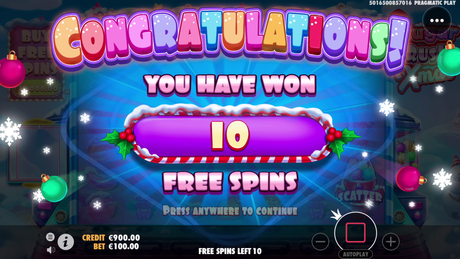
The free-spins feature changes the duration of the mechanic. During that round, marked positions and their multipliers remain for the whole feature and may continue increasing. Three, four, five, six or seven scatters reportedly award 10, 12, 15, 20 or 30 free spins respectively, and additional scatters can retrigger the round. These are in-game spins, not a casino promotion, bonus code or promise of a particular return.
Which settings and statistics deserve attention?
The commonly listed theoretical return to player is 96.50%, but operators may offer a lower configuration, including 95.50% or 94.50%. The active version should be checked in the game’s information or paytable screen rather than assumed from a review, search result or remembered figure. RTP is a long-run mathematical estimate, not a forecast of what one session will return.
A New Zealand-facing review describes the title as high volatility, while the supplier’s game information focuses on the mechanics rather than confirming a volatility rating. In practical terms, a high-volatility description suggests that results may vary considerably, with losing sequences and occasional larger outcomes forming part of the experience. It should not be interpreted as evidence that a bonus round is likely or that a particular stake will recover losses.
The advertised maximum win is 5,000 times the stake, but this is a ceiling in the game’s stated specifications rather than an expected result. The Bonus Buy option is reported at 100 times the current bet and awards a random number of scatters, with at least three stated in the supplied information. Availability may depend on the operator or jurisdiction. Before using it, check the on-screen price and rules, since buying entry accelerates exposure rather than improving the underlying odds.
How should players compare it with related titles?
Game names in the same family can make comparisons confusing. Related releases include Sugar Rush Xmas, Sugar Rush 1000 and Sugar Rush Super Scatter, but each is a separate title with its own specifications. A similar name does not confirm identical RTP settings, maximum wins, scatter awards, volatility, grid behaviour or Bonus Buy terms.
A useful comparison starts with the feature that most affects your preferred style. Someone who enjoys watching symbols tumble may prioritise the original 7×7 cluster layout. Another player may prefer a title with a simpler reel structure, fewer moving parts or a different pace. Compare the paytable, symbol requirements, scatter rules and available settings on the actual game screen rather than relying on a shared theme or promotional description.
It is also worth separating the game from the casino hosting it. The title does not hold accounts, process deposits, handle withdrawals or provide verification support. Those responsibilities belong to the operator. When comparing online slots with a licence, check the hosting site’s stated requirements, game availability and account controls independently. General gambling information and support options are available through New Zealand gambling support information, which is separate from any particular game or operator.
What changes when playing on a phone?
The game can be supplied through a compatible casino website and browser on mobile devices. A New Zealand-facing review reports compatibility with Android and iOS devices and recommends landscape orientation for a clearer view of the seven-by-seven grid. These details describe browser access where supported; they do not establish that a dedicated application exists.
Mobile convenience can make the game easier to open, but it can also make repeated play feel less deliberate. Before beginning, check that the correct title and stake are selected, particularly if a casino displays several similarly named releases. Review the information screen on the device itself, because the active RTP configuration, feature rules and available controls are the details that apply to that session.
Controls may include bet adjustment, sound and volume settings, Autoplay, Quick Spin and speed choices, although availability can vary by platform or jurisdiction. Faster animation does not alter the mathematics, and Autoplay does not remove the need to monitor spending or time. Account-level tools such as deposit limits, time-outs, reality checks and self-exclusion are controlled by the hosting operator, so their presence and settings must be confirmed there rather than assumed from the game software.
Is the Bonus Buy feature available everywhere?
Does the game have a separate account or login?
No. The game itself does not register players or store casino accounts. Where real-money play is offered, access is through the hosting operator’s account system. Registration, age checks, identity verification, password recovery and account support therefore follow that operator’s requirements.
Is the free-spins round the same as a casino promotion?
No. Free spins are an in-game feature triggered by scatters and may be retriggered according to the game rules. A casino promotion is separate and may involve eligibility conditions, expiry dates, wagering requirements, contribution rules or winnings limits set by the operator.
Can the RTP be assumed from the advertised figure?
No. The commonly listed figure is 96.50%, but lower configurations may be used. Open the title’s paytable or information screen to identify the active setting. Even the correct RTP remains a long-term theoretical measure and cannot predict the outcome of an individual spin or session.
