


It was 7 pm on a rainy Tuesday when I watched a local high‑school team stream a match of Mobile Legends from a cramped dorm room. The screen flickered, the players shouted, and within minutes the live chat exploded with “Nice combo!” and “Where did that skill come from?” That single moment, witnessed by a handful of classmates, felt like a micro‑cosm of a larger shift. In the UK, the rise of mobile esports is reshaping how we consume digital entertainment, turning pocket‑sized devices into arenas where millions compete, collaborate, and consume content.
From pocket‑size tournaments to televised tournaments
Mobile esports has moved beyond casual play. In 2023, the Mobile Legends: Bang Bang World Championship drew an audience of 3.5 million viewers across streaming platforms. That’s comparable to the viewership of some traditional sports leagues. The growth is driven by several concrete factors:
- Accessibility: A standard smartphone, no more than £200, replaces a console or PC. This lowers entry barriers for players in university towns and working‑class suburbs.
- Localized leagues: The UK’s British Mobile Gaming League hosts 12 regional qualifiers each year, offering £5,000 prize pools and a guaranteed spot in the global finals.
- Cross‑platform streaming: Twitch and YouTube Gaming now support native mobile streaming, allowing players to broadcast from a phone without a laptop.
While the numbers are impressive, the model isn’t perfect. The reliance on mobile data can create latency issues for players on 3G networks, and the high‑stakes tournaments still depend on sponsorship deals that can fluctuate seasonally.
Economic ripple effects in the UK
The mobile esports boom is a catalyst for ancillary industries. Game developers in Leeds and Bristol are hiring 15% more mobile designers, citing the need for “optimised frame rates on mid‑range phones.” Meanwhile, local cafés are installing high‑speed Wi‑Fi and dedicated gaming corners to attract “stream‑ready” audiences. In 2024, the UK government allocated £2 million to support esports infrastructure, a move that has already spurred a 7% rise in related job postings on LinkedIn.
However, the growth also brings challenges. Smaller teams often struggle with funding, and the rapid turnover of game titles means that yesterday’s champion can become obsolete tomorrow. Players must constantly adapt, and this can discourage long‑term commitment for some.
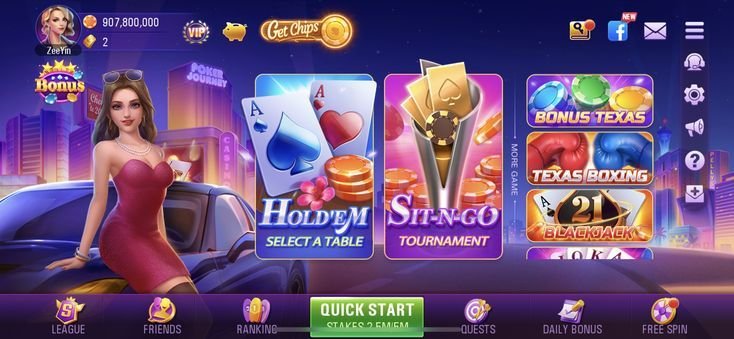
If you’re looking for a different kind of online gaming thrill, check out portcity.uk for casino-style play.
From competitive play to broader entertainment ecosystems
Mobile esports is not confined to tournaments. It has become a platform for storytelling, marketing, and community building. Brands are sponsoring in‑game events, and artists are releasing exclusive skins that tie into real‑world merchandise. The line between gaming and entertainment is blurring, and the audience is expanding beyond hardcore gamers to include casual viewers who enjoy the spectacle.
Bridging the gap between mobile competition and online leisure
When you’re scrolling through your phone, a notification pops up: “Your favorite team just won a match in the UK Mobile League.” That instant connection between live sport and personal device is what makes mobile esports a powerful driver of digital engagement. For those who prefer a more relaxed gaming experience, there are countless casual titles that still offer competitive leaderboards, allowing anyone to test their skills against friends or strangers. This blend of high‑stakes competition and everyday entertainment creates a new cultural niche that is hard to ignore.
Looking ahead
What does the next decade hold? If current trends continue, we can expect mobile esports to secure a permanent slot in national sporting calendars, with televised broadcasts on mainstream channels. The infrastructure will evolve, with 5G rollout promising to eliminate latency woes. Yet, the community will need to address inclusivity, ensuring that players from all socioeconomic backgrounds can participate. The transformation is already underway, and its ripple effects will shape the UK’s digital entertainment landscape for years to come.
